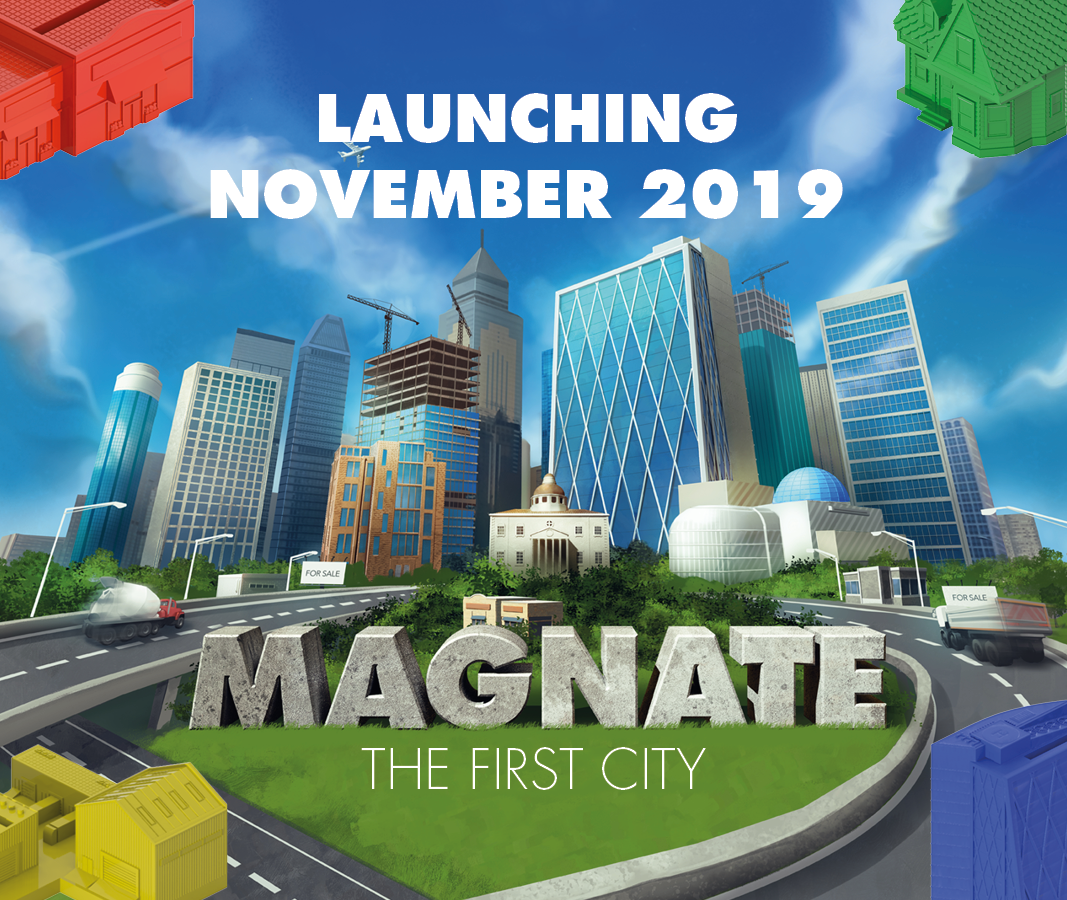
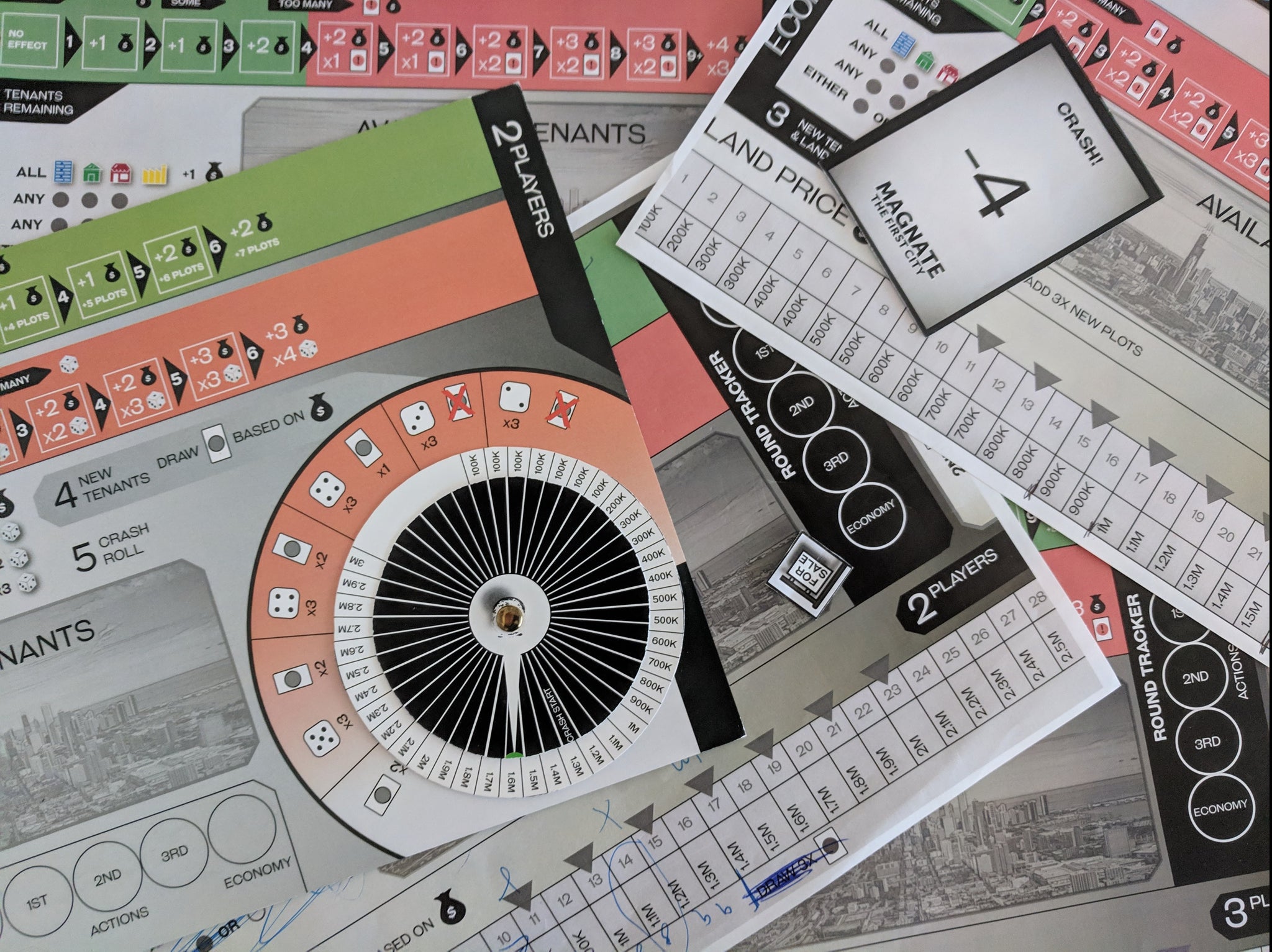
Thinking about running a Kickstarter? Well, 19 months after I decided to self publish my game, Magnate: The First City, I am entering the final build-up of mine. This is the inside story of the challenges, joys, thrills and spills of running a Kickstarter campaign and the nerve-racking final weeks before launch… read on if you dare. “So smart guy, if you’re building up to launch why does this blog count UP rather than count DOWN?” I can think of no better symbol of the sometimes messy reality of running a Kickstarter campaign than the answer to this question. Because of course, a Countdown would be WAY more sexy. We recently announced that we’re launching Magnate in November, but not...
Thou shalt blog each week is the mantra of the SEO age. Does it make sense? Infinite Content I stare at the queue of articles I have saved to Pocket. As push my thumb up the page I begin to realise there are more than a thousand articles sitting there, waiting for me to read. I resist the next thought: There are a thousand articles sitting here I will *never* read. I’m not the first person to notice we’re drowning in content. The over abundance of information is perhaps one of the great cliches of our age. I’m not even the first person to notice that read-it-later tools like Pocket or Instapaper have just moved the problem of losing track...
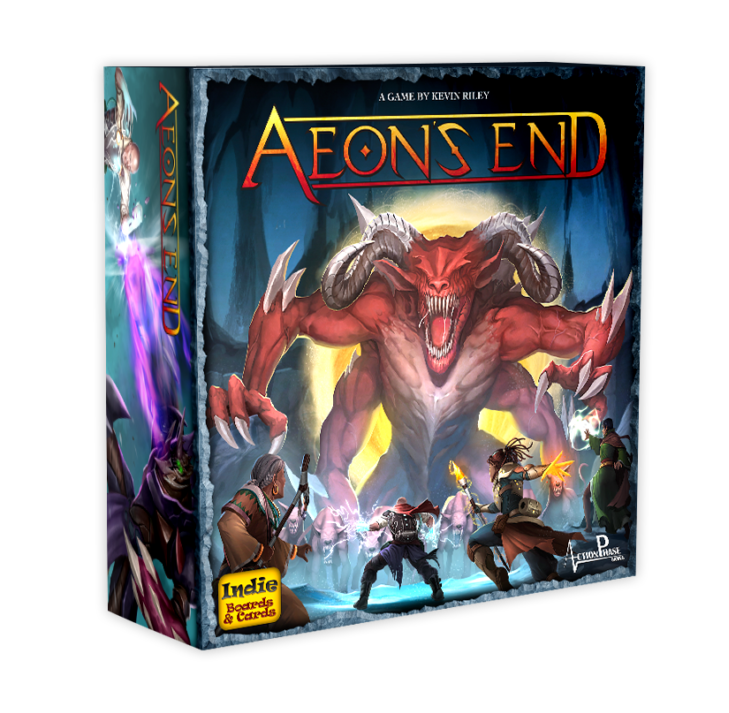
This week, Jaya writes a functional review co-operative ‘boss fight’ deckbuilder Aeon’s end, exploring the subtle ways it plays with deckbuilding conventions to deliver on its thematic premise. Player activity summary Aeon’s end is best summarised as a video game ‘boss fight’ in cardboard form. Players work together as a group of desperate ‘breach mages’ trying to protect their own from a variety of horrifying nemeses; using new and unfamiliar magic that appeared alongside these monsters to defeat them. Players will buy new cards and skills to improve their deck, invest in opening their ‘breaches’ (the conduits they require in order to cast multiple spells at a time) and keep an eye on the health totals, not just for each...
Has it really been two months already? Unsurprisingly, there’s lots to catch-up on with progress on playtesting, design and ever increasing public awareness of the game! Building the coverage Over the last few months the amount of coverage Magnate has received in the press has started to swell. Some swift googling revealed a mini post Essen flurry of articles like this, this and this. We even got a mention on the Polyhedron Collider’s most anticipated games of 2019 podcast! Rory Somers, one of the “colliders”(?) had already given us a great little write-up in his review of Dragonmeet, but it was awesome to see Magnate specifically called out as anticipated alongside much more famous names like Wingspan and Munchkin. At...
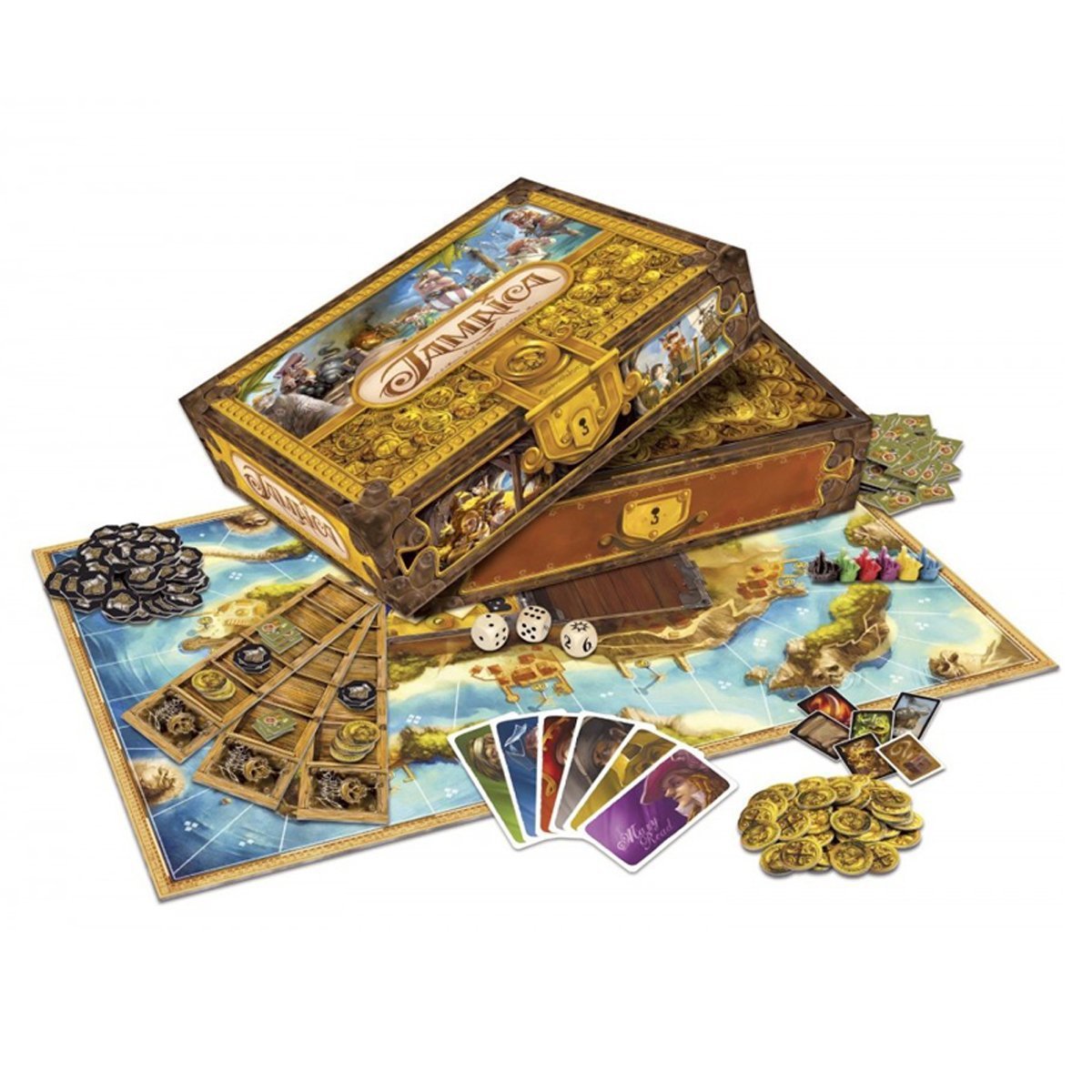
Today Jaya writes his first ever functional review – an often overlooked gateway title ‘Jamaica’: One of the first tabletop games he ever purchased, and still one he regularly takes out with new friends. Player activity summary Jamaica is a competitive, pirate-themed racing game in which players have to complete a lap of an island, managing their resources of food, doubloons and gunpowder. They will score points based on how far round the island they manage to get by the end and the amount of doubloons they have in their holds. They can gain or lose further points based on the treasure cards they’ve picked up on the way. Each turn the captain (first player) will roll two six-sided dice...