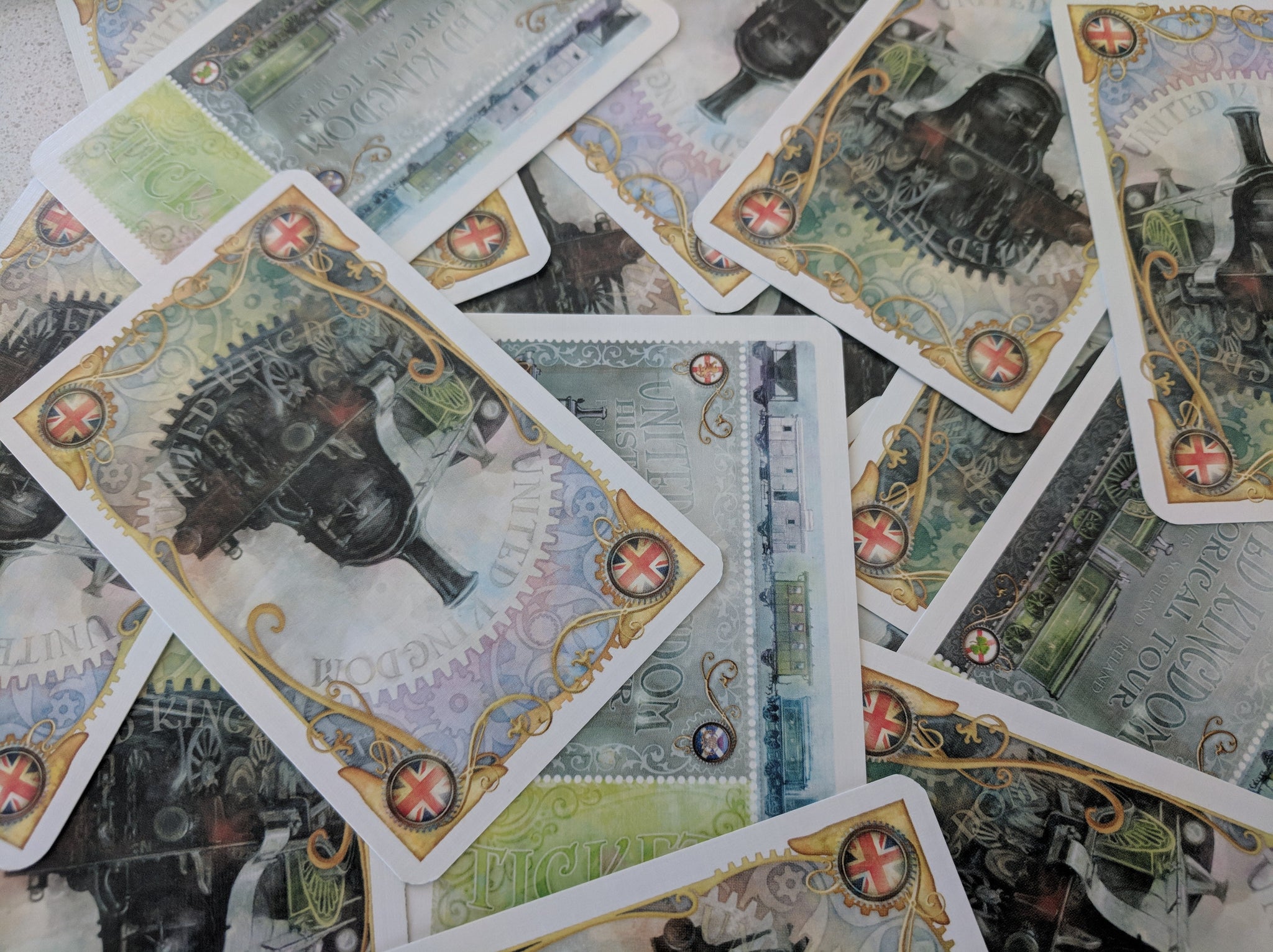
Some people hate Ticket to Ride; people who do not appreciate its brilliance. I hate the United Kingdom expansion as much as they hate the basic game. But unlike them, I’M ACTUALLY RIGHT… right? I like to think that I am a pretty positive person. Generally, I don’t like writing about things that I dislike – there are enough things that I do like to write about and enough to say about them. And I’m not a reviewer really, so I’m not here to save you money from games that you might not enjoy. But like a moth to a flame, I am constantly and mysteriously drawn back to writing about TTR: United Kingdom. Not to bathe in its glow...
With the receipt of renders I take a closer look at some of the game’s buildings and the source of their inspiration Everyday that goes by Magnate starts to come together a little more. This week was a major milestone: I received the first ever renders of the game’s 3D buildings from my sculptor. While these are only the first iteration, they already look fantastic. Why do they matter? A big pleasure of the game – for me and many of my playtesters – is the way the city emerges in Magnate. It starts off small, but it grows physically as the player’s fortune grows. Happily, it tends to grow in semi-realistic ways: An office in the middle of nowhere...
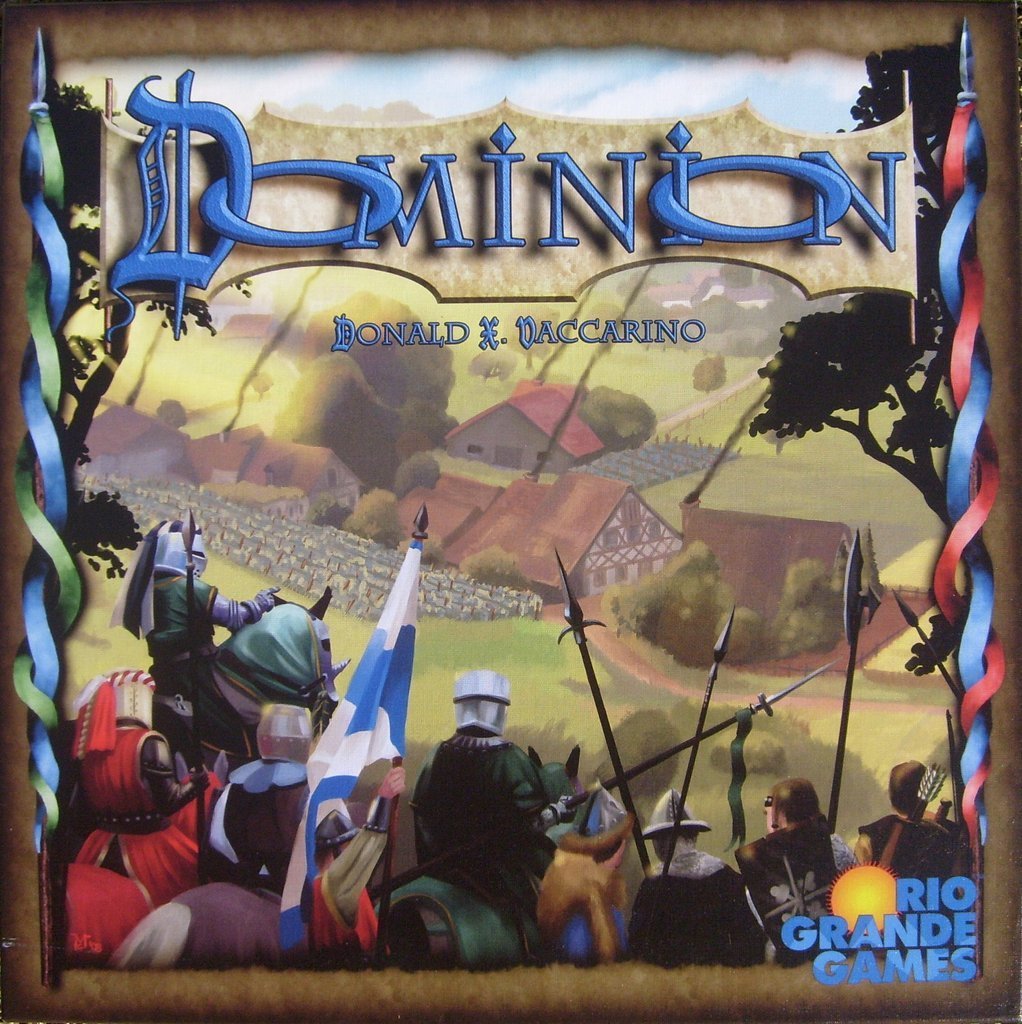
This is the first post in an occasional series examining design choices that were critical factors in the overall success of a game’s design. In this entry, I go right in with one of the greats and look at Dominion’s powerful victory point (VP) card mechanic. In choosing Dominion, I have selected a stupid subject to kick this series off. Why Dominion is hard to write about but good to write about Being effusive about great games is relatively easy. There is usually much to love and much to comment on. But writing about parts of great games – trying to understand the particular elements that make them great – is really hard. By nature, a great game is usually...
The new Magnate site has launched today. It contains key information about the game’s many features: like its comprehensive tutorial mode (designed to allow players to learn without a rulebook) or its realistic 3D buildings of different types. As we get closer to launch, I’ll be adding more details about the game as well as updating the art and design elements as they develop.
If you aren’t already subscribed to this blog, you can sign-up there to get notified when the Kickstarter launches. The campaign is the due to launch in the Autumn of 2018.
A collection of resources to help you speed up and improve the process of working with artists. Especially useful if this is your first game and you’re the one in charge of making sure it’s beautiful. As part of my journey to getting Magnate to market, I’m embarking on an entire aspect of the game development process that I have very little experience with: finding, commissioning and working with artists; specifically game illustrators. At the community newspaper I run, we work with cover artists quite often and have produced lots of excellent magazine covers (link includes a selection from our print archive though only up to late 2017). But the briefs for Croydon Citizen covers are relatively simple. There’s a...